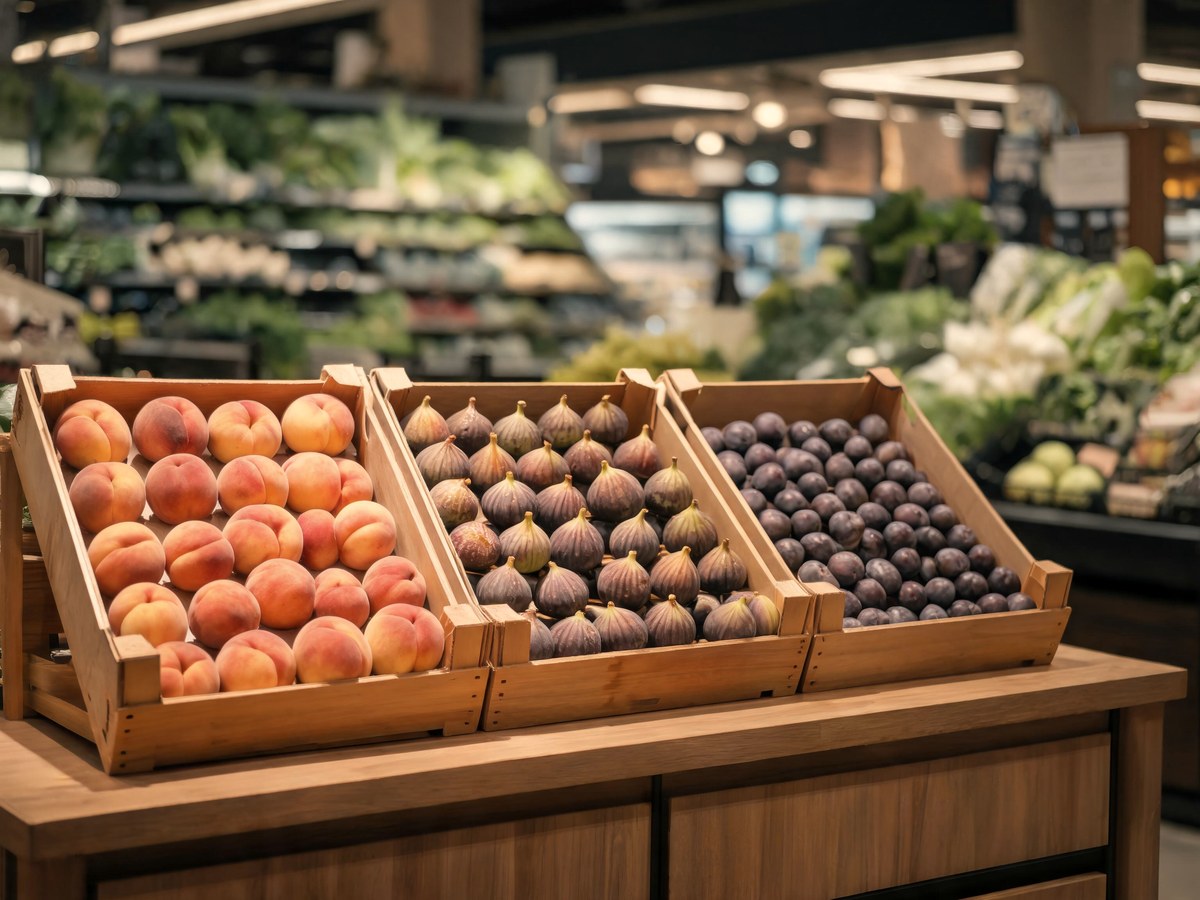
In-store execution · modern trade, China
Fresh fruit is the least forgiving category in retail: the clock starts at the port and the product spoils on contact with slow thinking. Six consecutive seasons on one Chilean cherry brand — 80+ cities, 30+ channels, renewed every year — distilled into three laws that apply to any fresh or fast-moving brand entering China.
A season for Chilean cherries runs roughly from November to Chinese New Year. Everything — booking shelf space, staffing promoters, timing content waves — must be decided before the first vessel docks. You cannot iterate on spoiled inventory. That constraint, repeated six times, teaches habits that slower categories never force you to learn.
Week one of the season should sell, not set up. Channel mapping by city tier, key-account listings, promoter staffing and shelf standards are all locked pre-arrival. By the time fruit clears customs, every store in the plan knows its display, its price ladder and its promo calendar.
The equivalent for any entering brand: your distribution map, listing terms and in-store standard should exist before your first campaign drives a customer to look for you. Demand that arrives and finds nothing is demand you paid for twice.
In-season, the team ran sell-through and shelf-share reads every week across channels, and rebalanced promo calendars, KOC content and livestream slots against what the data said — city by city, not quarter by quarter.
Fresh categories punish annual plans. The unit of planning is the week, and the unit of decision is the store cluster. Brands that review monthly are already three data-cycles behind their own shelves.
After the last pallet sold, the season formally closed with a full-funnel review: city-level performance, channel economics, content that converted versus content that merely performed. That review — not the in-season wins — is why the partnership renewed six consecutive times.
Nine-figure cumulative sales for a single client is not the result of one good season. It is the compounding of six honest post-mortems, each one redrawing next season's distribution map.
You may not sell cherries. But if your product has a shelf, a season, or a moment of cultural demand, the laws hold: set the ground before you drive traffic, read weekly not quarterly, and treat the post-mortem as the product.
Ask us how the cherry playbook maps onto your category.
Start a conversation →